

Closing the Digital Transformation Skills Gap: Strategies for Future-Ready Enterprises
- Coevolve
Key Takeaways
- The digital skills gap is accelerating, with demand for AI, cloud, and data expertise continuing to outpace supply.
- Organizations cannot rely on hiring alone and must invest in continuous upskilling and reskilling to remain competitive.
- Modern, cloud-enabled IT environments enable greater agility, helping teams do more with less while supporting flexible and secure ways of working.
- Enterprises that combine internal capability building with strategic hiring and the right external partners are best positioned to close skills gaps and scale transformation effectively.
Based on an interview with Kelvin Wong, CTO, KPMG Singapore
Enterprises worldwide are facing a growing digital skills gap – and the unfortunate truth is that this will likely be a long-term problem. The demand for digital skills such as AI, big data, and technology literacy is accelerating much faster than the global supply, despite efforts to adapt to a rapidly evolving digital landscape, organizations still struggle to find the talent they need to execute digital transformation initiatives effectively.
Over the decade, enterprises in virtually every industry and sector have had to undergo rapid digital transformation (DX) to survive in a fast-changing business landscape and keep up with the competition. New technologies such as AI, machine learning, cloud computing, and advanced analytics are no longer optional – they are foundational to business success. However, the supply of workers with the necessary technical and digital skills has not kept pace with demand.
When the pandemic was at its peak, travel restrictions due to COVID-19 and curbs on foreign work visas contributed to manpower shortages in many industries worldwide. Although many economies have since reopened, market data finds that up to 87% of employers report difficulty finding candidates with the right skills, and 72% of workers feel their current skillset will become outdated within the next five years. This widening skills divide is a structural issue that goes beyond short‑term labor market fluctuations. In 2025, 77% of organizations reported being impacted by the IT skills gap, with 56% noting upskilling and reskilling as top strategies for closing this gap in 2025.
On top of that, 43% of employees identified that offering remote and hybrid work opportunities increases talent viability with employees ranking it their 4th reason to stay. These changing attitudes towards work and the increasing prevalence of remote work has ramped up the talent war on a global and made it much more difficult for businesses to retain key employees. The talent pool in the market is also limited, and upskilling and reskilling people takes time and resources. This means enterprises are facing exacerbated staff costs in order to hire, train and retain the right people with the right skills.
So how can you ensure your organization has what it needs to thrive in a digital future?
How can your enterprise close the gap in the workplace
1. Build a modern workplace with the correct IT systems and infrastructure
To flourish in such a challenging environment, enterprises must develop better IT capabilities to address employee wants and facilitate smooth business operations.
Creating a modern and flexible workplace helps the enterprise to attract and retain the right people and allows the organization to respond rapidly and well to unexpected changes. Enterprises must ensure their IT infrastructure, networks, and security capabilities are able to support flexible work arrangements and remote collaboration. Exploring new and advanced technologies to create a more adaptive, agile, and responsive work environment are also key.
“Our focus is around technologies that allow multi-sensory collaborative work to be done in the office, and facilitate our people to be able to work from anywhere; and more importantly making sure our people can operate in a safe and secure setting within and outside the office,” says Kelvin Wong, CTO of KPMG Singapore.
With so much operational activity occurring in the cloud, enterprises also need to have IT infrastructure and networks that are reliable, safe, secure, and scalable. Only with these in place can sustainable and effective growth and digital transformation be achieved.
2. Secure the necessary skills through the right hires, reskilling and upskilling, and partnerships
Even as the world strives to narrow the skills gap, technology is continuously advancing, and the business landscape is in flux. Continuous learning, upskilling, and strategic hiring are essential to maximize the benefits of digitalization and transformation.
Whether you’re hiring new personnel or supporting your existing employees through robust internal learning and development programs, more generalized, brand-agnostic technical skills should be prioritized to ensure flexibility and proficiency across a wide variety of platforms and systems. While core digital concepts like cloud architecture share common principles, the growing number of cloud offerings and platforms increases complexity. Upskilling in multi‑cloud environments, data analytics, AI proficiency, and cybersecurity is now widely viewed as essential. For more specialized and platform-specific skills, in-depth training and external hiring may be necessary, especially for someone in a technical consultant role, whose skillsets are constantly evolving.
Current industry data shows that AI, machine learning and cybersecurity are cited as the biggest skills gaps inside enterprises, and nearly 9 in 10 firms say these gaps affect multiple business functions – not just IT. To help narrow the skills gap, enterprises must invest in upskilling employees. More than 25 leading tech companies announced a pledge to support 120 million workers’ reskilling by 2030, assisting workers to develop the right skills, abilities, and knowledge base, and cultivating an environment that encourages continuous learning in the digital landscape, which both improves their individual capabilities and helps the company grow.
3. Invest in continuous learning and workforce development
Digital transformation is as much about people as technology. Organizations that create cultures of learning and empower employees to continually update their skills, see better transformation outcomes.
Upskilling should be ongoing, with a mix of formal programs, experiential learning, coaching, and on‑the‑job practice. A continuous approach not only reduces skill obsolescence but also signals to employees that the organization is committed to their career growth—a critical talent retention factor.
4. Build a workplace culture that embraces change and continuous improvement
In today’s turbulent and rapidly changing business landscape, change is the only constant. This means enterprises need to be open to and accept ongoing change and transformation to be truly future-ready.
To that end, effective organizational change management should be implemented to help leaders and employees across the enterprise understand why change is necessary and how to effectively approach change to deliver the best possible outcomes for all. This will help ease the DX journey by focusing on the most important aspect of transformation: people.
“Change management often requires more soft skills to create awareness among the people about why we want to create this change,” says Kelvin Wong, CTO, KPMG Singapore. “We socialize, create awareness and adopt the ADKAR model to ensure change management is managed well, is well supported, and has a high rate of adoption.”
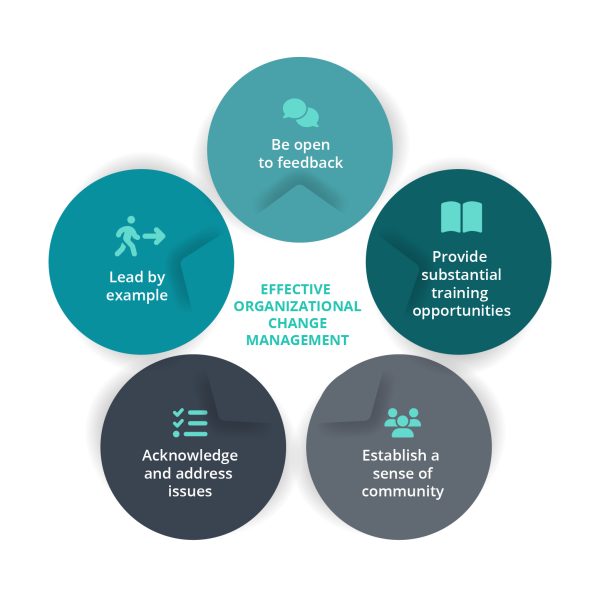
A strategic, people-centric approach to future success
With continued economic uncertainty and digital expectations rising, companies must act decisively to close the skills gap. This means combining strategic IT investments with deep commitments to workforce development, agile learning cultures, and partnerships that extend organizational capabilities. This may require internal changes to the organization in addition to external partnerships with managed service providers (MSPs) that have the skills, knowledge, experience, and network needed to achieve your business goals.
Unfortunately, not every enterprise has the resources to train or hire talent at an advanced level, and economic concerns can be a further strain on resources. IT partners and MSPs can be helpful in such cases, by providing the skills, experience, and knowledge that your enterprise needs, and partnering closely with you to work towards shared goals to support long-term digital growth.
At Coevolve, we can support your business growth and needs. Schedule a chat with our team today.
Table of contents



FAQs
Why is the digital skills gap a long-term challenge for enterprises?
The digital skills gap is structural rather than temporary. As technologies like AI, cloud computing, and cybersecurity continue to evolve rapidly, the demand for advanced skills consistently outpaces supply. This makes it an ongoing challenge that requires long-term workforce and technology strategies.
What are the most effective ways to close the digital skills gap in 2026?
The most effective approaches include investing in continuous upskilling and reskilling, adopting flexible hiring strategies, building a modern digital workplace, and partnering with managed service providers (MSPs) to access specialized expertise quickly.
How does a modern IT infrastructure help address the skills gap?
A modern IT infrastructure enables greater automation, collaboration and flexibility, helping organizations increase productivity, reduce reliance on scarce specialist skills and attract talent through modern ways of working.
Should companies hire new talent or upskill existing employees?
Most organizations achieve the best results by combining both. Upskilling existing employees builds long-term capability and retention, while targeted hiring and specialist partners help address immediate gaps in high-demand areas such as AI, cybersecurity and cloud.